
Product Description
Product Description
Aokman X/B series Single stage gear motor reducer cycloidal gearbox for Manufacturing Plant
Components:
1. Housing: Cast Iron
2. Gearset: Cycloid Wheel & Pin Wheel
3. Input Configurations:
Equipped with Electric Motors (AC Motor, Brake Motor, Explosion-proof Motor, Regulated Speed Motor, Hydraulic Motor)
IEC-normalized Motor Flange
Keyed CHINAMFG Shaft Input
4. Output Configurations:
Keyed CHINAMFG Shaft Output
Detailed Photos
Features:
1. Large reduction ratio, 1-stage ratio 9~87, 2-stage ratio 121~1849, larger reduction ratio is available by 3-stage or multistage combinations
2. High efficiency, the average efficiency is over 90%
3. Compact structure, light weight
4. Stable and reliable operation, low noise5. Long service life
Product Parameters
Parameters:
| Models | Power | Ratio | Max. Torque | Output Shaft Dia. | Input Shaft Dia. |
| 1 Stage | |||||
| X2(B0/B12) | 0.37~1.5 | 9~87 | 150 | Φ25(Φ30) | Φ15 |
| X3(B1/B15) | 0.55~2.2 | 9~87 | 250 | Φ35 | Φ18 |
| X4(B2/B18) | 0.75~4.0 | 9~87 | 500 | Φ45 | Φ22 |
| X5(B3/B22) | 1.5~7.5 | 9~87 | 1,000 | Φ55 | Φ30 |
| X6(B4/B27) | 2.2~11 | 9~87 | 2,000 | Φ65(Φ70) | Φ35 |
| X7 | 3.0~11 | 9~87 | 2,700 | Φ80 | Φ40 |
| X8(B5/B33) | 5.5~18.5 | 9~87 | 4,500 | Φ90 | Φ45 |
| X9(B6/B39) | 7.5~30 | 9~87 | 7,100 | Φ100 | Φ50 |
| X10(B7/B45) | 15~45 | 9~87 | 12,000 | Φ110 | Φ55 |
| X11(B8/B55) | 18.5~55 | 9~87 | 20,000 | Φ130 | Φ70 |
| 2 Stage | |||||
| X32(B10) | 0.25~0.55 | 121~1849 | – | Φ35 | Φ15 |
| X42(B20/B1812) | 0.37~0.75 | 121~1849 | – | Φ45 | Φ15 |
| X53(B31/B2215) | 0.55~1.5 | 121~1849 | – | Φ55 | Φ18 |
| X63(B41/B2715) | 0.75~2.2 | 121~1849 | – | Φ65(Φ70) | Φ18 |
| X64(B42/B2718) | 0.75~2.2 | 121~1849 | – | Φ65(Φ70) | Φ22 |
| X74 | 1.1~3.0 | 121~1849 | – | Φ80 | Φ22 |
| X84(B52/B3318) | 1.5~4.0 | 121~1849 | – | Φ90 | Φ22 |
| X85(B53/B3322) | 2.2~5.5 | 121~1849 | – | Φ90 | Φ30 |
| X95(B63/B3922) | 3.0~7.5 | 121~1849 | – | Φ100 | Φ30 |
| X106(B74/B4527) | 4.0~11 | 121~1849 | – | Φ110 | Φ35 |
| X117(B84/B5527) | 4.0~15 | 121~1849 | – | Φ130 | Φ40(Φ35) |
1 Stage Ratio: 9, 11, 17, 23, 29, 35, 43, 59, 71, 87
2 Stage Ratio: 121, 187, 289, 385, 473, 595, 731, 989, 1225, 1849
Installation:
Foot Mounted
Flange Mounted
Lubrication:
| – | Foot-mounted | Flange-mounted | ||
| 1 Stage | X2~X4 | X5~X11 | X2~X4 | X5~X11 |
| Grease Lubrication | Oil-bath & Splash Lubrication | Grease Lubrication | Oil Pump Circulation Lubrication | |
| 2 Stage | X32~X42 | X53~X117 | X32~X42 | X53~X117 |
| Grease Lubrication | Oil-bath & Splash Lubrication | Grease Lubrication | Oil Pump Circulation Lubrication | |
Cooling:
Natural Cooling
Packaging & Shipping
Company Profile
Our Advantages
FAQ
1.Q:What kinds of gearbox can you produce for us?
A:Main products of our company: UDL series speed variator,RV series worm gear reducer, ATA series shaft mounted gearbox, X,B series gear reducer,
P series planetary gearbox and R, S, K, and F series helical-tooth reducer, more
than 1 hundred models and thousands of specifications
2.Q:Can you make as per custom drawing?
A: Yes, we offer customized service for customers.
3.Q:What is your terms of payment ?
A: 30% Advance payment by T/T after signing the contract.70% before delivery
4.Q:What is your MOQ?
A: 1 Set
Welcome to contact us for more detail information and inquiry.
If you have specific parameters and requirement for our gearbox, customization is available. /* March 10, 2571 17:59:20 */!function(){function s(e,r){var a,o={};try{e&&e.split(“,”).forEach(function(e,t){e&&(a=e.match(/(.*?):(.*)$/))&&1
| Application: | Motor, Machinery, Agricultural Machinery, Industry |
|---|---|
| Function: | Change Drive Torque, Change Drive Direction, Speed Changing, Speed Reduction, Speed Increase |
| Layout: | Cycloidal |
| Hardness: | Hardened |
| Installation: | Vertical Type |
| Step: | Double-Step |
| Samples: |
US$ 50/Piece
1 Piece(Min.Order) | |
|---|
| Customization: |
Available
| Customized Request |
|---|
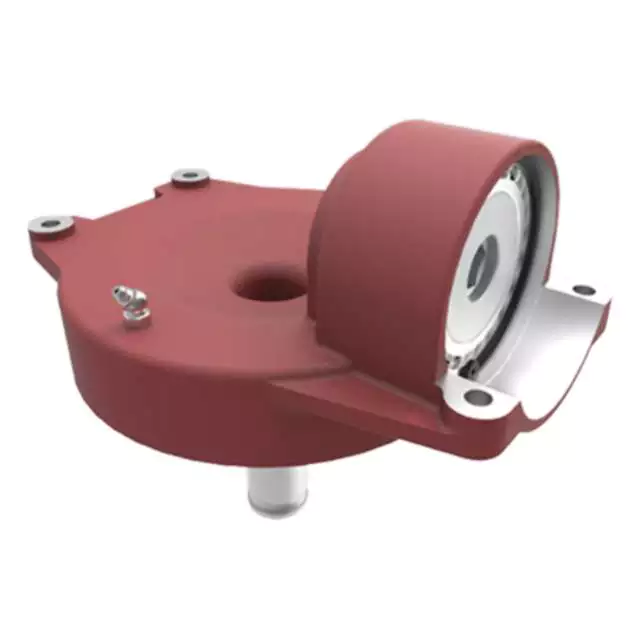
Impact of Gear Ratios on Machinery Performance in Agricultural Gearboxes
The gear ratio in agricultural gearboxes plays a crucial role in determining the performance of machinery. It directly affects the relationship between the input and output speeds and torques. Here’s how gear ratios influence machinery performance:
- Speed and Torque Conversion: Gear ratios allow for the conversion of speed and torque between the input and output shafts. Higher gear ratios can reduce output speed while increasing output torque, making it suitable for tasks requiring high power.
- Power and Efficiency: Gear ratios affect the efficiency of power transmission. While reducing the speed through higher gear ratios can increase torque, it’s essential to strike a balance to maintain efficiency. Lower efficiency can lead to energy loss and increased heat generation.
- Task Adaptability: Different agricultural tasks require varying levels of torque and speed. Gear ratios enable machinery to be adaptable to different tasks by providing the necessary torque for heavy-duty activities like plowing or tilling and higher speeds for tasks like transport.
- Optimal Performance: Selecting the appropriate gear ratio ensures that machinery operates within its optimal performance range. It prevents overloading the engine or the gearbox, contributing to smoother operation and reduced wear and tear.
- Productivity and Fuel Efficiency: Proper gear ratios can enhance the overall productivity of agricultural machinery. By optimizing torque and speed, tasks can be completed efficiently, reducing the time and fuel consumption required for operations.
- Consideration of Terrain: Different terrains and field conditions require adjustments in gear ratios. Steep slopes or heavy soil may necessitate lower gear ratios for increased torque, while flat terrain could benefit from higher ratios for faster operation.
- Impact on Components: Gear ratios can influence the load distribution on gearbox components. Higher gear ratios might subject components to increased forces and stresses, potentially affecting their lifespan.
- Operator Comfort: Proper gear ratios contribute to operator comfort by providing the necessary power for smooth operation without straining the machinery. This can lead to reduced operator fatigue and improved safety.
- Customization: Some modern agricultural equipment offers adjustable or variable gear ratios, allowing operators to fine-tune machinery performance based on specific tasks and conditions.
Choosing the right gear ratio for agricultural gearboxes involves considering factors such as the intended task, soil conditions, and equipment specifications. It’s essential to strike a balance between torque and speed to achieve optimal machinery performance and maximize productivity.
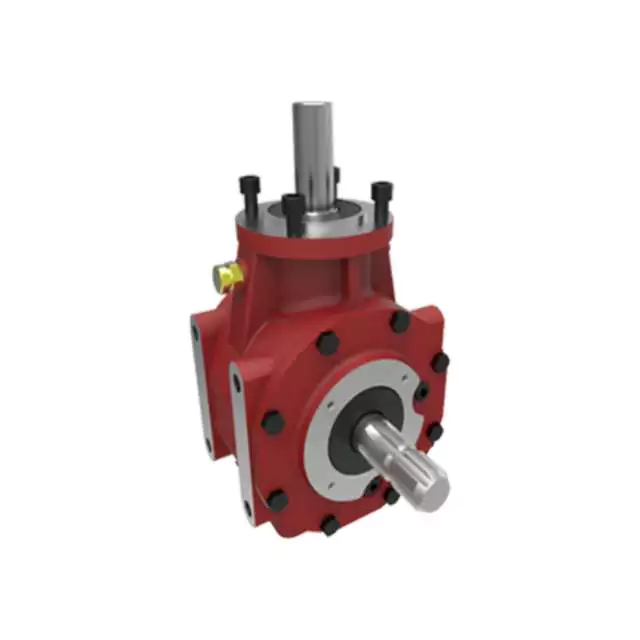
Handling Varying Torque Demands with Agricultural Gearboxes
Agricultural gearboxes are designed to handle the varying torque demands associated with different tasks in farming operations. The torque requirements can vary based on factors such as the type of task, the soil conditions, the terrain, and the machinery’s speed. Agricultural gearboxes are equipped with features that allow them to adapt to these varying torque demands:
- Gear Ratio Selection: Agricultural gearboxes often come with multiple gear ratios, allowing operators to select the appropriate ratio for the task at hand. Lower gear ratios provide higher torque for tasks that require more force, such as plowing or tilling, while higher gear ratios offer higher speeds for tasks like mowing or transporting.
- Torque Multiplier: Some agricultural gearboxes are designed with torque multipliers that enhance the torque output from the engine to the wheels or implement. These multipliers are engaged when higher torque is needed, helping the machinery handle heavy loads or challenging terrain.
- Adjustable Speeds: Many agricultural gearboxes allow operators to adjust the speed of the machinery to match the torque requirements of the task. This flexibility is essential for tasks that involve both high-torque, low-speed operations and high-speed operations with lower torque needs.
- Power Take-Off (PTO) Options: Agricultural gearboxes often feature power take-off mechanisms that enable the transfer of power from the engine to attached implements. These mechanisms can be designed to provide varying torque outputs to suit different implements, such as rotary tillers, balers, or pumps.
The ability of agricultural gearboxes to handle varying torque demands is crucial for ensuring efficient and effective farming operations. By offering adjustable gear ratios, torque multipliers, and adaptable speeds, these gearboxes empower farmers to optimize their machinery’s performance based on the specific requirements of each task.
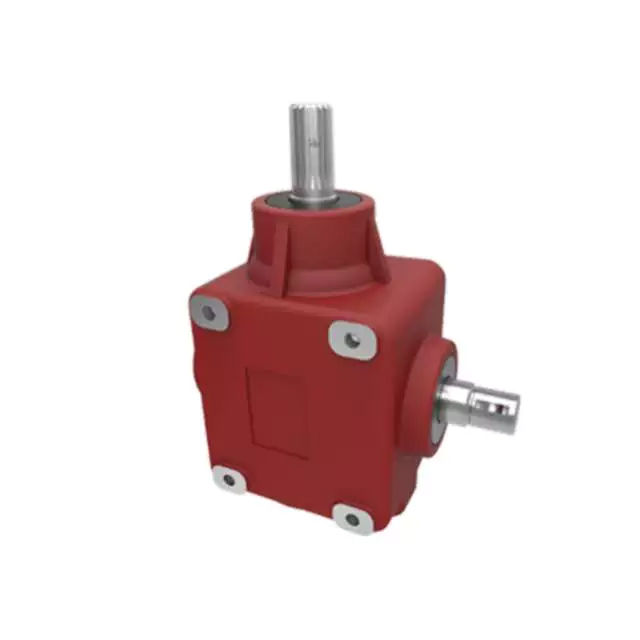
Key Features of a Durable and Reliable Agricultural Gearbox
A durable and reliable agricultural gearbox is crucial for the efficient operation of farming equipment and machinery. The following key features contribute to the durability and reliability of agricultural gearboxes:
- High-Quality Materials: Agricultural gearboxes are often exposed to harsh conditions, including dust, debris, and varying weather. Using high-quality materials, such as strong alloy steels, can enhance the gearbox’s resistance to wear, corrosion, and other forms of deterioration.
- Rugged Construction: The gearbox should have a robust and rugged construction to withstand the stresses and strains associated with agricultural tasks. Reinforced housings, precision machining, and robust seals can help prevent damage and ensure longevity.
- Effective Lubrication System: Proper lubrication is vital to reduce friction, dissipate heat, and prevent premature wear. Agricultural gearboxes should be equipped with efficient lubrication systems that ensure all components are adequately lubricated, even during extended operation.
- Sealing and Protection: Dust, dirt, and moisture are common challenges in agricultural environments. Effective sealing mechanisms, such as gaskets and seals, prevent contaminants from entering the gearbox and protect internal components from damage.
- Heat Dissipation: The gearbox should be designed to dissipate heat effectively, especially during prolonged operation. Overheating can lead to lubrication breakdown and premature wear. Cooling fins and adequate ventilation can help maintain optimal operating temperatures.
- Gear Quality and Precision: High-quality gears with accurate tooth profiles and precision manufacturing ensure smooth and efficient power transmission. Properly machined gears reduce noise, vibration, and the risk of gear failures.
- Advanced Gear Design: Some agricultural gearboxes may feature advanced gear designs, such as helical or planetary gears. These designs offer improved efficiency, reduced noise, and increased load-bearing capacity compared to traditional spur gears.
- Overload Protection: Incorporating overload protection mechanisms, such as shear pins or clutch systems, can prevent damage to the gearbox and other connected components in case of sudden high loads or jams.
- Easy Maintenance Access: The gearbox should be designed with maintenance in mind. Accessible inspection points, drain plugs, and fill ports make it easier for operators to perform routine maintenance tasks.
Manufacturers often engineer agricultural gearboxes to meet these requirements, ensuring that they can withstand the demanding conditions of farming operations and contribute to the reliable performance of agricultural machinery.


editor by CX 2024-02-20