
Product Description
Details Photos:
1.It is equipped with an angular contact ball bearing, so it can support the external load with the rigid moment and large allowable moment
2.Easy assemble, small vibration
3.It can reduce the motor straight junction (input gear) and inertia
4.Large torsional rigidity
5.Strong impact resistance (500% of rated torque)
6.The crankshaft is supported by 2 columns in the reducer
7.Excellent starting efficiency & Small wear and long service life
8.Small backlash (1arc. Min.) & Use rolling bearing
9.Strong impact resistance (500% of rated torque)
10.The number of simultaneous engagements between RV gear and needle teeth is large
Advantages:
1. High precision, high torque
2. Dedicated technical personnel can be on the go to provide design solutions
3. Factory direct sales fine workmanship durable quality assurance
4. Product quality issues have a one-year warranty time, can be returned for replacement or repair
Company profile:
HangZhou CHINAMFG Technology Co., Ltd. was established in 2014. Based on long-term accumulated experience in mechanical design and manufacturing, various types of harmonic reducers have been developed according to the different needs of customers. The company is in a stage of rapid development. , Equipment and personnel are constantly expanding. Now we have a group of experienced technical and managerial personnel, with advanced equipment, complete testing methods, and product manufacturing and design capabilities. Product design and production can be carried out according to customer needs, and a variety of high-precision transmission components such as harmonic reducers and RV reducers have been formed; the products have been sold in domestic and global(Such as USA, Germany, Turkey, India) and have been used in industrial robots, machine tools, medical equipment, laser processing, cutting, and dispensing, Brush making, LED equipment manufacturing, precision electronic equipment, and other industries have established a good reputation.
In the future, Hongwing will adhere to the purpose of gathering talents, keeping close to the market, and technological innovation, carry CHINAMFG the value pursuit in the field of harmonic drive&RV reducers, seek the common development of the company and the society, and quietly build itself into a CHINAMFG brand with independent intellectual property rights. Quality supplier in the field of precision transmission”.
Strength factory:
Our plant has an entire campus The number of workshops is around 300 Whether it’s from the production of raw materials and the procurement of raw materials to the inspection of finished products, we’re doing it ourselves. There is a complete production system
HST-I Parameter:
| Rated Table | ||||||||||||||
| Output rotational speed (rpm) | 5 | 10 | 15 | 20 | 25 | 30 | 40 | 50 | 60 | |||||
| Model | Speed ratio code | Transmission Ratio(R) | Output Torque (Nm) / Enter the capacity (kW |
|||||||||||
| Rotation of axes | Housing rotation | |||||||||||||
| RV-6E | 31 | 31 | 30 | 101 / 0.07 |
81 / 0.11 |
72 / 0.15 |
66 / 0.19 |
62 / 0.22 |
58 / 0.25 |
54 / 0.30 |
50 / 0.35 |
47 / 0.40 |
||
| 43 | 43 | 42 | ||||||||||||
| 53.5 | 53.5 | 52.5 | ||||||||||||
| 59 | 59 | 58 | ||||||||||||
| 79 | 79 | 78 | ||||||||||||
| 103 | 103 | 102 | ||||||||||||
| RV-20E | 57 | 57 | 56 | 231 / 0.16 |
188 / 0.26 |
167 / 0.35 |
153 / 0.43 |
143 / 0.50 |
135 / 0.57 |
124 / 0.70 |
115 / 0.81 |
110 / 0.92 |
||
| 81 | 81 | 80 | ||||||||||||
| 105 | 105 | 104 | ||||||||||||
| 121 | 121 | 120 | ||||||||||||
| 141 | 141 | 140 | ||||||||||||
| 161 | 161 | 160 | ||||||||||||
| RV-40E | 57 | 57 | 56 | 572 / 0.40 |
465 / 0.65 |
412 / 0.86 |
377 / 1.05 |
353 / 1.23 |
334 / 1.40 |
307 / 1.71 |
287 / 2.00 |
271 / 2.27 |
||
| 81 | 81 | 80 | ||||||||||||
| 105 | 105 | 104 | ||||||||||||
| 121 | 121 | 120 | ||||||||||||
| 153 | 153 | 152 | ||||||||||||
| RV-80E | 57 | 57 | 56 | 1,088 / 0.76 |
885 / 1.24 |
784 / 1.64 |
719 / 2.01 |
672 / 2.35 |
637 / 2.67 |
584 / 3.26 |
546 / 3.81 |
517 / 4.33 |
||
| 81 | 81 | 80 | ||||||||||||
| 101 | 101 | 100 | ||||||||||||
| 121 | 121 | 120 | ||||||||||||
| 153 | 1(153) | 1(152) | ||||||||||||
| RV-110E | 81 | 81 | 80 | 1,499 / 1.05 |
1,215 / 1.70 |
1,078 / 2.26 |
990 / 2.76 |
925 / 3.23 |
875 / 3.67 |
804 / 4.49 |
||||
| 111 | 111 | 110 | ||||||||||||
| 161 | 161 | 160 | ||||||||||||
| 175 | 1227/7 | 1220/7 | ||||||||||||
| RV-160E | 81 | 81 | 80 | 2,176 / 1.52 |
1,774 / 2.48 |
1,568 / 3.28 |
1,441 / 4.02 |
1,343 / 4.69 |
1,274 / 5.34 |
|||||
| 101 | 101 | 100 | ||||||||||||
| 129 | 129 | 128 | ||||||||||||
| 145 | 145 | 144 | ||||||||||||
| 171 | 171 | 170 | ||||||||||||
| RV-320E | 81 | 81 | 80 | 4,361 / 3.04 |
3,538 / 4.94 |
3,136 / 6.57 |
2,881 / 8.05 |
2,695 / 9.41 |
2,548 / 10.7 |
|||||
| 101 | 101 | 100 | ||||||||||||
| 118.5 | 118.5 | 117.5 | ||||||||||||
| 129 | 129 | 128 | ||||||||||||
| 141 | 141 | 140 | ||||||||||||
| 171 | 171 | 170 | ||||||||||||
| 185 | 185 | 184 | ||||||||||||
| RV-450E | 81 | 81 | 80 | 6,135 / 4.28 |
4,978 / 6.95 |
4,410 / 9.24 |
4,047 / 11.3 |
3,783 / 13.2 |
||||||
| 101 | 101 | 100 | ||||||||||||
| 118.5 | 118.5 | 117.5 | ||||||||||||
| 129 | 129 | 128 | ||||||||||||
| 154.8 | 2013/13 | 2000/13 | ||||||||||||
| 171 | 171 | 170 | ||||||||||||
| 192 | 1347/7 | 1340/7 | ||||||||||||
| Note: 1. The allowable output speed is affected by duty cycle, load, and ambient temperature. When the allowable output speed is above NS1, please consult our company about the precautions. 2. Calculate the input capacity (kW) by the following formula. |
||||||||||||||
| Input capacity (kW) =(2π*N*T)/(60*η/100*10*10*10) | N: output speed (RPM) T: output torque (nm) η = 75: reducer efficiency (%) |
|||||||||||||
| The input capacity is the reference value. 3. When using the reducer at a low temperature, the no-load running torque will increase, so please pay attention when selecting the motor. (refer to p.93 low-temperature characteristics) |
||||||||||||||
| T0 Rated torque(Remark .7) |
N0 Rated output speed |
K Rated life |
TS1 Allowable starting and stopping torque |
TS2 Instantaneous maximum allowable torque |
NS0 Allowable maximum output speed (Remark .1) |
Backlash | Empty distance MAX. | Angle transmission error MAX. | A representative value of starting efficiency | MO1 Allowable moment (Remark .4) |
MO2 Instantaneous maximum allowable moment |
Wr Allowable radial load (Remark .10) |
I Converted value of inertia moment input shaft (Remark .5) |
Weight |
| (Nm) | (rpm) | (h) | (Nm) | (Nm) | (r/min) | (arc.sec.) | (arc.min.) | (arc.sec.) | (%) | (Nm) | (Nm) | (N) | (kgm2) | (kg) |
| 58 | 30 | 6,000 | 117 | 294 | 100 | 1.5 | 1.5 | 80 | 70 | 196 | 392 | 2,140 | 2.63×10⁻⁶ | 2.5 |
| 2.00×10⁻⁶ | ||||||||||||||
| 1.53×10⁻⁶ | ||||||||||||||
| 1.39×10⁻⁶ | ||||||||||||||
| 1.09×10⁻⁶ | ||||||||||||||
| 0.74×10⁻⁶ | ||||||||||||||
| 167 | 15 | 6,000 | 412 | 833 | 75 | 1.0 | 1.0 | 70 | 75 | 882 | 1,764 | 7,785 | 9.66×10⁻⁶ | 4.7 |
| 6.07×10⁻⁶ | ||||||||||||||
| 4.32×10⁻⁶ | ||||||||||||||
| 3.56×10⁻⁶ | ||||||||||||||
| 2.88×10⁻⁶ | ||||||||||||||
| 2.39×10⁻⁶ | ||||||||||||||
| 412 | 15 | 6,000 | 1,571 | 2,058 | 70 | 1.0 | 1.0 | 60 | 85 | 1,666 | 3,332 | 11,594 | 3.25×10⁻⁵ | 9.3 |
| 2.20×10⁻⁵ | ||||||||||||||
| 1.63×10⁻⁵ | ||||||||||||||
| 1.37×10⁻⁵ | ||||||||||||||
| 1.01×10⁻⁵ | ||||||||||||||
| 784 | 15 | 6,000 | 1,960 | Bolt tightening 3920 | 70 | 1.0 | 1.0 | 50 | 85 | Bolt fastening 2156 | Bolt tightening | Bolt tightening 12988 | 8.16×10⁻⁵ | Bolt tightening 13.1 |
| 6.00×10⁻⁵ | ||||||||||||||
| 4.82×10⁻⁵ | ||||||||||||||
| Pin combination 3185 | Pin combination 1735 | Pin combination 2156 | Pin combination 1571 | Pin combination 12.7 | ||||||||||
| 3.96×10⁻⁵ | ||||||||||||||
| 2.98×10⁻⁵ | ||||||||||||||
| 1,078 | 15 | 6,000 | 2,695 | 5,390 | 50 | 1.0 | 1.0 | 50 | 85 | 2,940 | 5,880 | 16,648 | 9.88×10⁻⁵ | 17.4 |
| 6.96×10⁻⁵ | ||||||||||||||
| 4.36×10⁻⁵ | ||||||||||||||
| 3.89×10⁻⁵ | ||||||||||||||
| 1,568 | 15 | 6,000 | 3,920 | Bolt tightening 7840 | 45 | 1.0 | 1.0 | 50 | 85 | 3,920 | Bolt tightening 7840 | 18,587 | 1.77×10⁻⁴ | 26.4 |
| 1.40×10⁻⁴ | ||||||||||||||
| 1.06×10⁻⁴ | ||||||||||||||
| Pin and use 6615 | Pin and use 6762 | |||||||||||||
| 0.87×10⁻⁴ | ||||||||||||||
| 0.74×10⁻⁴ | ||||||||||||||
| 3,136 | 15 | 6,000 | 7,840 | Bolt tightening 15680 | 35 | 1.0 | 1.0 | 50 | 80 | Bolt tightening 7056 | Bolt tightening 14112 | Bolt tightening 28067 | 4.83×10⁻⁴ | 44.3 |
| 3.79×10⁻⁴ | ||||||||||||||
| 3.15×10⁻⁴ | ||||||||||||||
| 2.84×10⁻⁴ | ||||||||||||||
| Pin combination 12250 | Pin combination 6174 | Pin and use 1571 | Pin combination 24558 | |||||||||||
| 2.54×10⁻⁴ | ||||||||||||||
| 1.97×10⁻⁴ | ||||||||||||||
| 1.77×10⁻⁴ | ||||||||||||||
| 4,410 | 15 | 6,000 | 11,571 | Bolt tightening 22050 | 25 | 1.0 | 1.0 | 50 | 85 | 8,820 | Bolt tightening 17640 | 30,133 | 8.75×10⁻⁴ | 66.4 |
| 6.91×10⁻⁴ | ||||||||||||||
| 5.75×10⁻⁴ | ||||||||||||||
| 5.20×10⁻⁴ | ||||||||||||||
| Pin and use 18620 | Pin and use 13524 | |||||||||||||
| 4.12×10⁻⁴ | ||||||||||||||
| 3.61×10⁻⁴ | ||||||||||||||
| 3.07×10⁻⁴ | ||||||||||||||
| 4. The allowable torque will vary according to the thrust load. Please confirm by the allowable moment line diagram (p.91). 5. The value of inertia moment is the value of the reducer body. The moment of inertia of the input gear is not included. 6. For moment stiffness and torsion stiffness, please refer to the calculation of inclination angle and torsion angle (p.99). 7. Rated torque refers to the torque value reflecting the rated life at rated output speed, not the data showing the upper limit of load. Please refer to the glossary (p.81) and product selection flow chart (p.82). 8. If you want to buy products other than the above speed ratio, please consult our company. 9. The above specifications are obtained according to the company’s evaluation method. Please confirm that the product meets the use conditions of carrying real aircraft before use. 10. When a radial load is applied to dimension B, please use it within the allowable radial load range. 11. 1 RV-80e r = 153 is only output shaft bolt fastening type( P.20,21) |
||||||||||||||
APPLICATIONS:
FQA:
Q: What should I provide when I choose a gearbox/speed reducer?
A: The best way is to provide the motor drawing with parameters. Our engineer will check and recommend the most suitable gearbox model for your reference.
Or you can also provide the below specification as well:
1) Type, model, and torque.
2) Ratio or output speed
3) Working condition and connection method
4) Quality and installed machine name
5) Input mode and input speed
6) Motor brand model or flange and motor shaft size
| Application: | Motor, Motorcycle, Machinery, Agricultural Machinery |
|---|---|
| Hardness: | Hardened Tooth Surface |
| Installation: | Horizontal Type |
| Layout: | Coaxial |
| Gear Shape: | Cylindrical Gear |
| Step: | Single-Step |
| Samples: |
US$ 600/Piece
1 Piece(Min.Order) | |
|---|
| Customization: |
Available
| Customized Request |
|---|
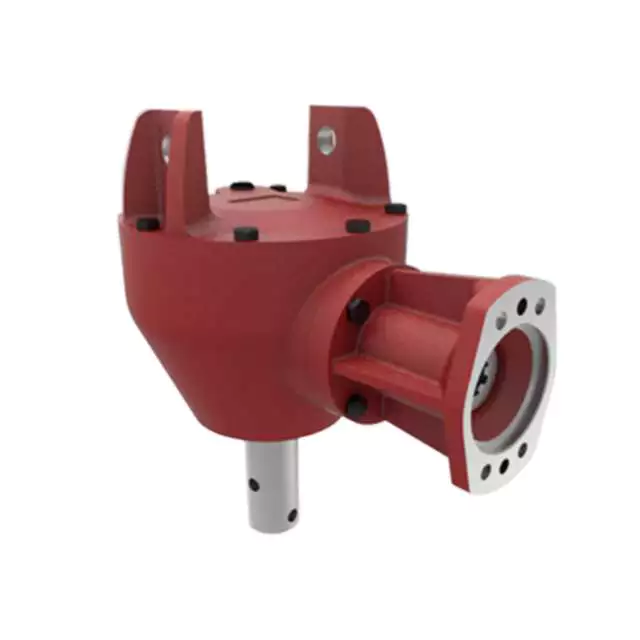
Case Studies: Successful Implementations of Agricultural Gearboxes
Several case studies highlight the successful integration of agricultural gearboxes in farming machinery:
- Case Study 1: Tractor Versatility
A farm in the Midwest implemented tractors equipped with adjustable gearboxes. The gearboxes allowed the tractors to seamlessly switch between plowing, planting, and harvesting tasks. The ability to customize speed and torque ratios improved efficiency and reduced the need for multiple machines.
- Case Study 2: Orchard Management
An orchard in California utilized specialized gearboxes in its mechanized harvesters. These gearboxes facilitated controlled movement and precise positioning of the harvesters among trees. The adaptability of the gearboxes enabled the harvesters to navigate the orchard’s uneven terrain while minimizing damage to trees and fruit.
- Case Study 3: Precision Planting
A farm in Europe integrated precision planting machinery with gearboxes that offered adjustable gear ratios. This allowed for precise control over seed placement and depth. The gearboxes played a vital role in achieving uniform crop emergence and optimizing seed-to-soil contact.
- Case Study 4: Multi-Tasking Implements
A farming cooperative in Australia utilized multi-tasking implements equipped with versatile gearboxes. These implements could seamlessly switch between tasks such as plowing, harrowing, and fertilizing. The gearboxes’ ability to manage torque and speed ratios ensured optimal performance across various tasks.
- Case Study 5: Soil Conservation
A farm in Africa adopted gearboxes in its soil conservation practices. By attaching specialized implements with adjustable gearboxes to their tractors, the farm effectively controlled soil erosion and improved water infiltration rates. The gearboxes allowed for precise adjustments based on soil type and slope.
These case studies illustrate the impactful role of agricultural gearboxes in enhancing efficiency, versatility, and productivity across a spectrum of farming applications.
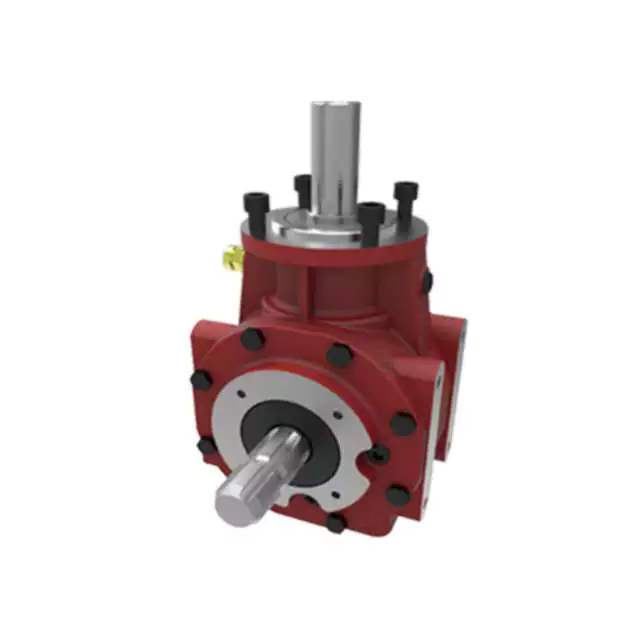
Specific Safety Precautions for Agricultural Gearbox Operation
Operating agricultural machinery with gearboxes requires careful attention to safety to prevent accidents and ensure the well-being of operators and bystanders. Here are some specific safety precautions associated with agricultural gearbox operation:
- Read the Manual: Familiarize yourself with the manufacturer’s manual for the specific gearbox and machinery. It provides valuable information about proper operation, maintenance, and safety guidelines.
- Proper Training: Ensure that operators are trained in the safe operation of the machinery, including how to engage and disengage the gearbox, adjust speeds, and handle emergencies.
- Protective Gear: Operators should wear appropriate protective gear, such as helmets, gloves, safety goggles, and sturdy footwear, to reduce the risk of injury from debris, moving parts, or other hazards.
- Clear Workspace: Before operating the machinery, clear the area of obstacles, debris, and bystanders. Ensure a safe distance between the machinery and people.
- Secure Attachments: If the gearbox is used in conjunction with attachments, ensure that they are properly secured and mounted according to manufacturer guidelines to prevent detachment during operation.
- Engage Safely: Engage the gearbox and start the machinery only after ensuring that all personnel are at a safe distance and that the machinery is on stable ground.
- Avoid Loose Clothing: Operators should avoid wearing loose clothing or accessories that could get caught in moving parts.
- Emergency Stops: Familiarize yourself with the location of emergency stop buttons and switches on the machinery and be prepared to use them if needed.
- Regular Maintenance: Perform routine maintenance checks on the gearbox and machinery to ensure that all components are in proper working condition. Replace worn parts and lubricate components as recommended by the manufacturer.
- Shut Down Properly: When finishing a task, disengage the gearbox, shut off the machinery, and engage any safety locks to prevent accidental starts.
Following these safety precautions can greatly reduce the risk of accidents and injuries when operating agricultural machinery with gearboxes. Always prioritize safety to create a secure working environment for everyone involved.
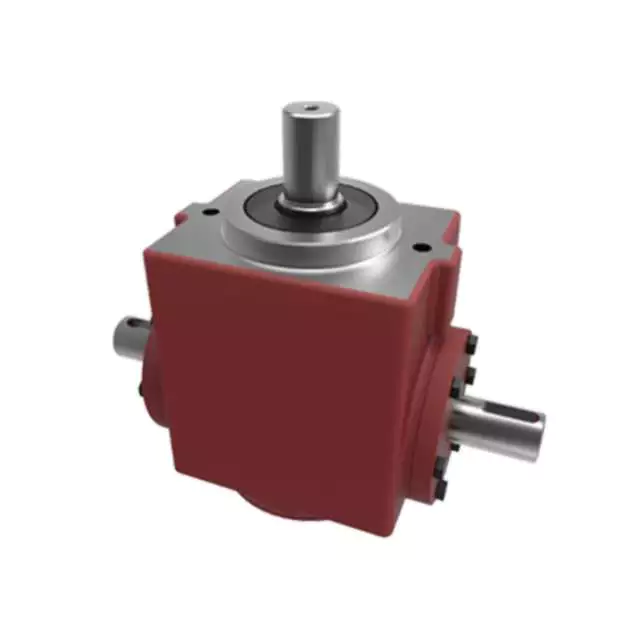
Contribution of Agricultural Gearboxes to Tractor Functionality
An agricultural gearbox is a vital component of a tractor’s powertrain system, playing a pivotal role in enabling the tractor to perform a wide range of tasks on the farm. The functionality of tractors heavily relies on the proper operation of their gearboxes, which facilitate various essential functions:
- Power Transmission: Tractors are required to deliver substantial power and torque to perform tasks like plowing, tilling, and hauling. Agricultural gearboxes transmit power from the tractor’s engine to its wheels or other implement attachments, enabling efficient power delivery to the ground.
- Speed Control: Different agricultural tasks demand different speeds. Gearboxes allow operators to control the speed of the tractor to match the requirements of the task at hand. Whether it’s slow-speed operations like tilling or high-speed transport, the gearbox provides the necessary speed adjustments.
- Implement Attachment: Tractors are often used with a variety of implements, such as plows, harrows, and mowers. The gearbox facilitates the connection and operation of these implements by transmitting power and torque from the tractor’s engine to the implement’s working components.
- Directional Changes: Agricultural gearboxes enable tractors to change direction smoothly. They provide the necessary gearing arrangements to reverse the tractor’s movement, making it easy to maneuver around the farm, fields, and obstacles.
- Adaptation to Terrain: Agricultural gearboxes help tractors adapt to different terrains and soil conditions. By adjusting the gear ratio, tractors can optimize their performance for tasks like climbing slopes, working on uneven ground, or pulling heavy loads.
Modern agricultural gearboxes are designed for durability and reliability in the demanding farming environment. They are often equipped with features like multiple gears, synchronization mechanisms, and efficient lubrication systems to enhance their performance and longevity.
Regular maintenance and periodic checks are essential to keep the agricultural gearbox in optimal condition. Proper lubrication, gear inspection, and addressing any signs of wear or damage contribute to the longevity and consistent performance of the gearbox, thus ensuring the tractor’s functionality throughout the farming seasons.


editor by CX 2023-11-02