
Product Description
Company Profile
HangZhou Xihu (West Lake) Dis. East Port Gear Manufacturing factory is located in Zhoujia Industrial Zone, CZPT Town, HangZhou, 3km away from Xihu (West Lake) Dis.qian Lake. It focuses on precision gear research, development, production and sales. The factory has obtained ISO9001: 2015 certificate, IATF16949:2016. The main export markets were North America, South America and Europe. Products can be customized and mainly includes: New Energy Motor Shaft, Oil Pump Gear, Agricultural Machinery Gear, Transmission Gear, Electric Vehicle gear, etc. We are sincerely willing to cooperate with enterprises from all over the world.
Equipment And Main Products
Certifications
FAQ
Q1:How is the quality of your product?
A:Our product has reliable quality, high wear life
Q2:Customization process/work flow?
Advisory – Material selection – 2D/3D Drawing – Quotation – Payment – Production – Quality Control – Package – Delivery
Q3: What is your terms of packing?
A:Generally, we pack our goods in wooden cases, If you have special request about packing, pls negotiate with us in advance, we can pack the goods as your request.
Q4:Price?
A:We will offer competitive price after receiving your drawing
Q5:What is your terms of payment?
A:30% T/T advanced, 70% T/T before shipping
Q6:What is your terms of delivery?
A: FOB
Q7:What drawing software does your company use?
A:CAXA
Q8:Do you test all your goods before delivery?
A: Yes, we have 100% test before delivery
Q9:How about your delivery time?
A:Product can often be delivered within 40-90 days
Q10:Sample?
A:We offer paid sample.If you have sample requirements, please feel free to contact us at any time
Q11:What logistics packaging does your company use?
A:Express for urgent orders. UPS, FedEx, DHL, TNT, EMS.
Q12:Application range?
A:Automotive, medical, automation, agricultural, marine, etc.
Q13: How do you make our business long-term and good relationship?
A:1. We keep good quality and competitive price to ensure our customers benefit ;
2. We respect every customer as our friend and we sincerely do business and make friends with them,
no matter where they come from.
|
Shipping Cost:
Estimated freight per unit. |
To be negotiated |
|---|
| Application: | Motor, Electric Cars, Motorcycle, Machinery, Agricultural Machinery, Car |
|---|---|
| Hardness: | Hardened Tooth Surface |
| Gear Position: | External Gear |
| Samples: |
US$ 50/Piece
1 Piece(Min.Order) | Order Sample customized version
|
|---|
| Customization: |
Available
| Customized Request |
|---|
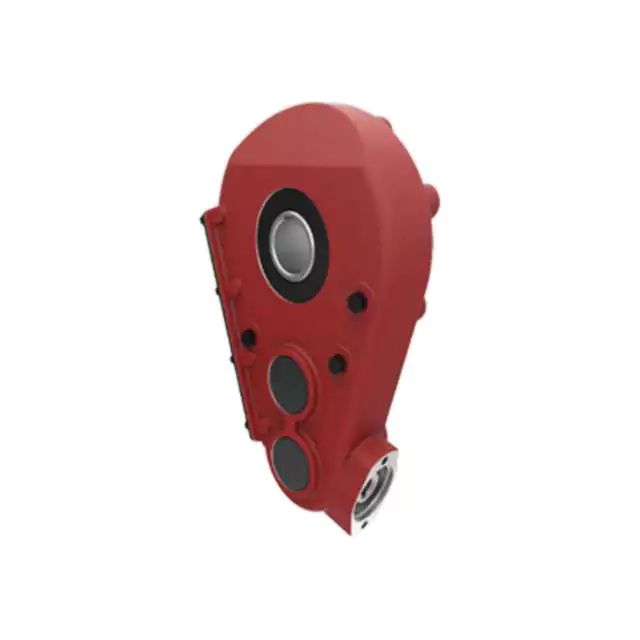
Technological Advancements in Agricultural Gearbox Design
Advancements in agricultural gearbox design have significantly improved the efficiency, durability, and performance of farming equipment. Here are some notable technological advancements:
- Materials and Manufacturing: The use of advanced materials, such as high-strength alloys and composite materials, has enhanced the durability and longevity of gearbox components. Precision manufacturing techniques, including computer-aided design (CAD) and computer numerical control (CNC) machining, ensure tight tolerances and reliable performance.
- Gear Tooth Design: Modern gear tooth profiles, such as optimized helical and spiral bevel gears, reduce noise, vibration, and wear. Advanced tooth design also improves power transmission efficiency and load distribution.
- Sealing and Lubrication: Improved sealing technologies, such as double-lip seals and labyrinth seals, help prevent contaminants from entering gearboxes while retaining lubricants. Advanced lubrication systems, including automatic lubrication and improved oil formulations, extend maintenance intervals and enhance efficiency.
- Electronic Controls: Agricultural gearboxes increasingly integrate with electronic control systems. Sensors and actuators provide real-time data on gearbox performance, allowing for condition monitoring, predictive maintenance, and adjustments to optimize machinery operation.
- Smart Gearboxes: Some agricultural gearboxes are equipped with smart features, such as load sensors, temperature monitors, and feedback systems. These features enhance precision, safety, and overall equipment performance.
- Hybrid Power Transmission: Integration of hybrid power transmission systems, combining internal combustion engines with electric motors, allows for more efficient power delivery and reduced fuel consumption. Gearboxes play a crucial role in managing power distribution in these systems.
- Reduced Environmental Impact: Advancements in gear design contribute to reducing environmental impact. Quieter and more efficient gearboxes minimize noise pollution and energy consumption while meeting emissions regulations.
- Customization and Modularity: Some modern agricultural gearboxes offer modular designs that allow farmers to customize gear ratios, output speeds, and other specifications to match specific tasks and conditions.
- Simulation and Testing: Computer simulations and advanced testing methods, such as finite element analysis (FEA) and computational fluid dynamics (CFD), help optimize gearbox design, reduce prototyping costs, and ensure reliability before production.
These advancements collectively contribute to the evolution of agricultural gearboxes, making farming machinery more efficient, environmentally friendly, and adaptable to the changing needs of modern agriculture.
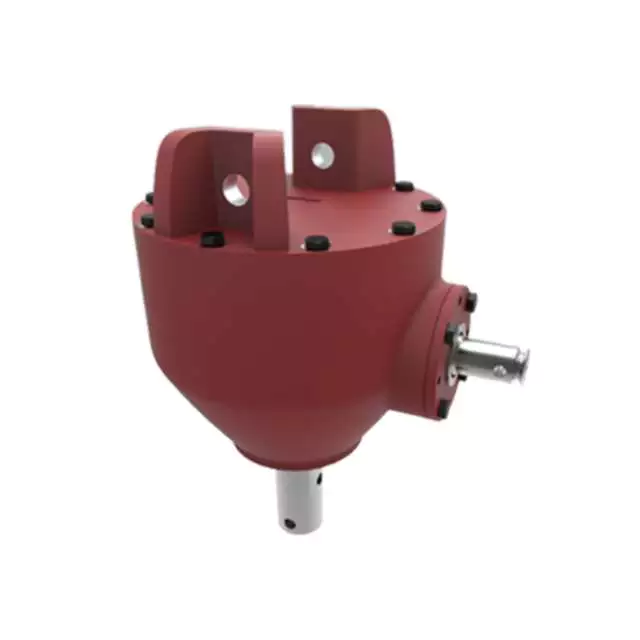
Potential Challenges in Maintenance and Repairs of Agricultural Gearboxes
Maintenance and repairs of gearboxes in agriculture can pose several challenges:
- Harsh Environments: Agricultural machinery operates in challenging environments with exposure to dirt, debris, moisture, and varying temperatures. These conditions can accelerate wear and corrosion, necessitating frequent maintenance.
- Heavy Workloads: Gearboxes in farming equipment often handle heavy workloads, leading to increased stress on components. This can result in faster wear and tear, requiring more frequent inspections and part replacements.
- Accessibility: Some gearboxes are located in hard-to-reach areas of machinery. This makes regular maintenance and repairs more challenging, as technicians may need specialized tools and equipment to access and service the gearboxes.
- Specialized Knowledge: Proper maintenance of agricultural gearboxes requires specialized knowledge and skills. Inadequate understanding of gearbox mechanics and maintenance practices can lead to improper repairs, reducing the gearbox’s lifespan and efficiency.
- Costs: Repairing or replacing gearbox components can be costly, especially for heavy-duty agricultural machinery. Farmers need to consider both the direct costs of parts and labor, as well as potential downtime during repair processes.
- Downtime: The downtime required for gearbox maintenance or repairs can impact farming operations, especially during critical planting or harvesting seasons. Efficient scheduling and backup equipment can help mitigate this challenge.
- Availability of Parts: Obtaining replacement parts for older or less common gearbox models can be challenging. Farmers may need to source parts from specialized suppliers, leading to potential delays in repairs.
Addressing these challenges requires proactive maintenance planning, regular inspections, proper training of maintenance personnel, and sourcing spare parts in advance.
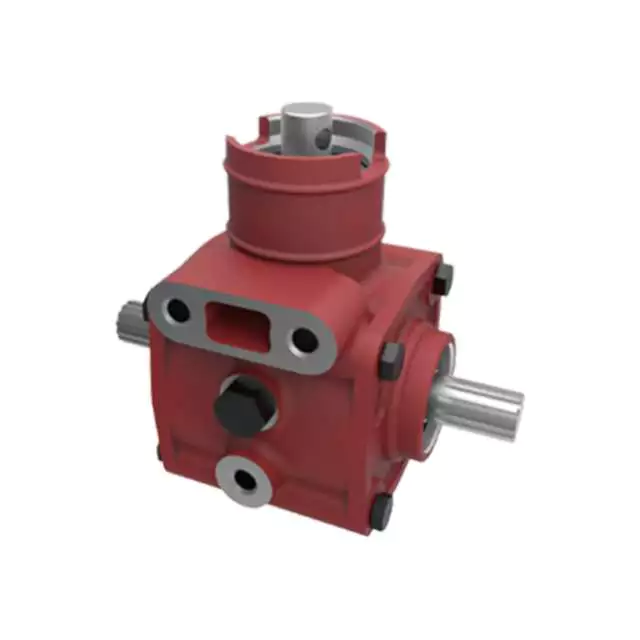
Role of Agricultural Gearboxes in Agricultural Machinery
An agricultural gearbox is a specialized type of gearbox used in various agricultural machinery and equipment. It plays a crucial role in the proper functioning of agricultural equipment by transmitting power and torque from the engine to the different components that perform specific tasks in the field.
Agricultural gearboxes are designed to withstand the demanding conditions of agricultural operations, including exposure to dust, dirt, moisture, and heavy loads. They are commonly used in a wide range of agricultural machinery, including tractors, combines, tillers, sprayers, and more.
The primary functions of agricultural gearboxes include:
- Power Transmission: Agricultural gearboxes transmit power from the engine to various components, such as wheels, blades, and belts, enabling them to perform their respective tasks.
- Speed Control: Gearboxes allow operators to control the speed and output torque of agricultural machinery. Different tasks require different speeds and levels of torque, and gearboxes provide the necessary adjustments.
- Direction Change: Many agricultural operations require changing the direction of rotational motion. Gearboxes enable smooth and efficient direction changes without the need for complex mechanical arrangements.
- Adaptation to Tasks: Agricultural gearboxes are equipped with various gears and shafts that can be configured to match the requirements of specific tasks, such as plowing, planting, harvesting, and more.
These gearboxes come in different configurations, such as straight-cut gears, helical gears, and planetary gears, depending on the specific application and requirements. The choice of gearbox type, gear ratio, and design factors contribute to the overall performance, efficiency, and durability of agricultural machinery.
Regular maintenance and lubrication are essential to ensure the longevity and reliable operation of agricultural gearboxes. Proper care and upkeep help prevent premature wear and damage, ensuring that the machinery performs optimally throughout the farming seasons.


editor by CX 2023-09-08