
Product Description
Product Description
Product Parameters
| Description |
Feed Mixer Machines Gearboxes – Replacement of Comer Code D-732A 1:1/1.41:1 |
|
|---|---|---|
| Application |
Mixing wagon |
|
| Consists of |
|
|
| Technical information |
|
|
| Contains oil |
No |
|
| Max. oil capacity |
5.6 l |
|
| Max. oil change interval |
500 h |
|
| Oil SAE viscosity grade |
80W-90 |
|
| Housing material |
Cast iron GG25 |
|
| Weight |
63 kg |
|
| Gear arrangement |
231 |
|
| Input shaft Reducing |
X |
|
| Input power KW / HP Reducing |
59 / 80 kW/HP |
|
| Ratio Reducing |
1 : 1 / 1,41 : 1 |
|
| Shaft X |
1 3/8″ (6) (A) |
|
| Shaft Y |
1 3/4″ (6) (G) |
Company Profile
HangZhou Ever-power Transmission Machinery Co., Ltd. was established in 2006. The company is located in ZHangZhoug HangZhou, with 90 employees, an area of 3800 meters, and an annual output value of 40 million yuan. The company is committed to the R & D, manufacturing, and personnel training of various gearboxes, reducers, and construction machinery, including spiral bevel gearbox, spur gearbox, worm gearbox, and cylindrical gearbox. It also includes a variety of high-pressure cast valve body and shell products. Its products are used in various applications, such as agricultural mowers, snow sweepers, fertilizer applicators, grain conveyors, industrial equipment, oil mining machinery, marine industrial equipment, and engineering hydraulic components. More than 95% of its products are exported to Europe, the United States, and Australia. Asia and Canada. The company has strong technology and R & D capabilities, produces reliable and high-quality products, pursues a unique business philosophy and enjoys a high reputation in the manufacturing industry. Welcome to contact us by phone or email.
Our Equipments
Certification
Packaging and Shipment
Related products
PTO Shaft
Agricultural gearbox:
Flail mower gearbox, rotary tiller gearbox, lawn mower gearbox, rotary cutter gearbox, agricultural sprayer gearbox, post hole digger gearbox, feed mixer gearbox, rotary mower gearbox, gearbox for circular saws, irrigation reels gearbox, agricultural generator gearbox, fertilizer spreader gearbox, hydraulic drive gearbox, manure spreader gearbox, rotary rakes gearbox, hay tedders gearbox, micro tiller gearbox, cutter bars gearbox, fertilizer mixer gearbox, agitators gearbox for sewage, round baler gearbox, snowblower gearbox
| Application: | Motor, Electric Cars, Motorcycle, Machinery, Marine, Agricultural Machinery, Car |
|---|---|
| Function: | Distribution Power, Clutch, Change Drive Torque, Change Drive Direction, Speed Changing, Speed Reduction, Speed Increase |
| Layout: | Coaxial |
| Hardness: | Hardened Tooth Surface |
| Installation: | Horizontal Type |
| Step: | Three-Step |
| Samples: |
US$ 9999/Piece
1 Piece(Min.Order) | |
|---|
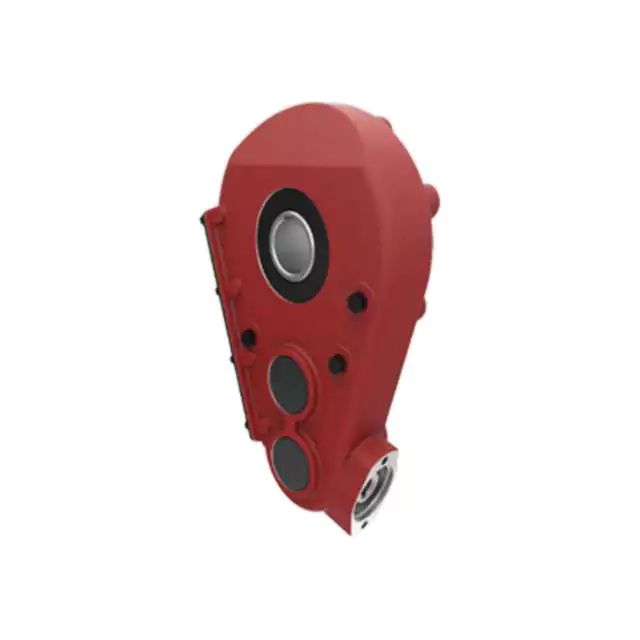
Technological Advancements in Agricultural Gearbox Design
Advancements in agricultural gearbox design have significantly improved the efficiency, durability, and performance of farming equipment. Here are some notable technological advancements:
- Materials and Manufacturing: The use of advanced materials, such as high-strength alloys and composite materials, has enhanced the durability and longevity of gearbox components. Precision manufacturing techniques, including computer-aided design (CAD) and computer numerical control (CNC) machining, ensure tight tolerances and reliable performance.
- Gear Tooth Design: Modern gear tooth profiles, such as optimized helical and spiral bevel gears, reduce noise, vibration, and wear. Advanced tooth design also improves power transmission efficiency and load distribution.
- Sealing and Lubrication: Improved sealing technologies, such as double-lip seals and labyrinth seals, help prevent contaminants from entering gearboxes while retaining lubricants. Advanced lubrication systems, including automatic lubrication and improved oil formulations, extend maintenance intervals and enhance efficiency.
- Electronic Controls: Agricultural gearboxes increasingly integrate with electronic control systems. Sensors and actuators provide real-time data on gearbox performance, allowing for condition monitoring, predictive maintenance, and adjustments to optimize machinery operation.
- Smart Gearboxes: Some agricultural gearboxes are equipped with smart features, such as load sensors, temperature monitors, and feedback systems. These features enhance precision, safety, and overall equipment performance.
- Hybrid Power Transmission: Integration of hybrid power transmission systems, combining internal combustion engines with electric motors, allows for more efficient power delivery and reduced fuel consumption. Gearboxes play a crucial role in managing power distribution in these systems.
- Reduced Environmental Impact: Advancements in gear design contribute to reducing environmental impact. Quieter and more efficient gearboxes minimize noise pollution and energy consumption while meeting emissions regulations.
- Customization and Modularity: Some modern agricultural gearboxes offer modular designs that allow farmers to customize gear ratios, output speeds, and other specifications to match specific tasks and conditions.
- Simulation and Testing: Computer simulations and advanced testing methods, such as finite element analysis (FEA) and computational fluid dynamics (CFD), help optimize gearbox design, reduce prototyping costs, and ensure reliability before production.
These advancements collectively contribute to the evolution of agricultural gearboxes, making farming machinery more efficient, environmentally friendly, and adaptable to the changing needs of modern agriculture.
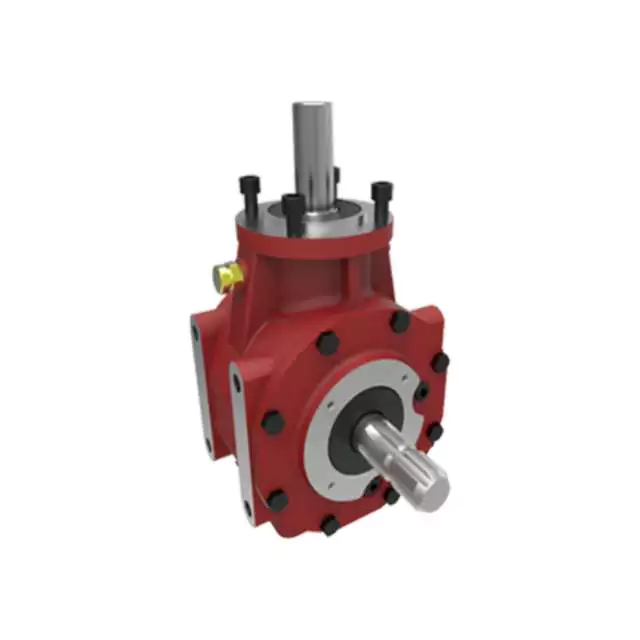
Handling Varying Torque Demands with Agricultural Gearboxes
Agricultural gearboxes are designed to handle the varying torque demands associated with different tasks in farming operations. The torque requirements can vary based on factors such as the type of task, the soil conditions, the terrain, and the machinery’s speed. Agricultural gearboxes are equipped with features that allow them to adapt to these varying torque demands:
- Gear Ratio Selection: Agricultural gearboxes often come with multiple gear ratios, allowing operators to select the appropriate ratio for the task at hand. Lower gear ratios provide higher torque for tasks that require more force, such as plowing or tilling, while higher gear ratios offer higher speeds for tasks like mowing or transporting.
- Torque Multiplier: Some agricultural gearboxes are designed with torque multipliers that enhance the torque output from the engine to the wheels or implement. These multipliers are engaged when higher torque is needed, helping the machinery handle heavy loads or challenging terrain.
- Adjustable Speeds: Many agricultural gearboxes allow operators to adjust the speed of the machinery to match the torque requirements of the task. This flexibility is essential for tasks that involve both high-torque, low-speed operations and high-speed operations with lower torque needs.
- Power Take-Off (PTO) Options: Agricultural gearboxes often feature power take-off mechanisms that enable the transfer of power from the engine to attached implements. These mechanisms can be designed to provide varying torque outputs to suit different implements, such as rotary tillers, balers, or pumps.
The ability of agricultural gearboxes to handle varying torque demands is crucial for ensuring efficient and effective farming operations. By offering adjustable gear ratios, torque multipliers, and adaptable speeds, these gearboxes empower farmers to optimize their machinery’s performance based on the specific requirements of each task.
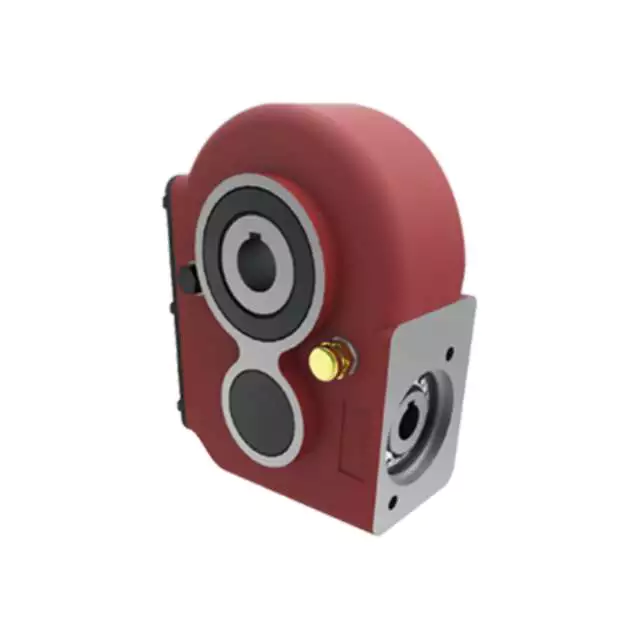
Benefits of Using High-Quality Gearboxes in Agricultural Machinery
Utilizing high-quality gearboxes in agricultural machinery offers several advantages that contribute to enhanced performance, durability, and overall operational efficiency. Here are the key benefits:
- Reliability and Durability: High-quality gearboxes are built to withstand the demanding conditions of agricultural operations. They are constructed using durable materials, precise manufacturing techniques, and stringent quality control measures, ensuring a longer lifespan and reduced downtime due to breakdowns.
- Optimal Power Transmission: High-quality gearboxes facilitate efficient power transmission from the tractor’s engine to various implements. They minimize power losses through well-designed gear profiles, accurate alignments, and minimal friction, allowing for more effective utilization of available power.
- Smooth Operation: Gearboxes manufactured to high standards provide smooth and consistent operation. They reduce vibrations, noise, and unnecessary wear, creating a comfortable working environment for the operator and reducing stress on the machinery.
- Precision and Accuracy: Quality gearboxes offer precise control over speed, torque, and direction changes. This precision ensures accurate implementation of farming tasks, such as seeding, planting, and harvesting, leading to better yield outcomes.
- Increased Efficiency: High-quality gearboxes minimize energy losses due to friction and inefficient gear meshing. This improved efficiency results in better fuel economy and optimized power utilization, reducing operating costs for the farmer.
- Compatibility and Adaptability: Top-tier gearboxes are designed to be compatible with a range of agricultural implements and machinery. Their adaptability allows farmers to switch between different tasks without the need for frequent adjustments or component changes.
- Reduced Maintenance Costs: Quality gearboxes require less frequent maintenance and repair. Their robust construction and precision engineering result in fewer breakdowns and extended maintenance intervals, saving both time and money.
- Enhanced Safety: Reliable gearboxes contribute to safer operations by preventing sudden failures that could lead to accidents. The smooth operation and predictable performance of high-quality gearboxes reduce the risk of mishaps during agricultural tasks.
Overall, investing in high-quality gearboxes for agricultural machinery ensures improved reliability, smoother operation, higher precision, increased efficiency, and reduced maintenance costs. These benefits ultimately contribute to enhanced productivity and better outcomes for farmers and agricultural operations.


editor by CX 2023-09-06